Connecting Neighbor Wagers with Progressive Accumulations in UK Online Roulette Systems
Written by Viktor Walter · May 23, 2026
Connecting Neighbor Wagers with Progressive Accumulations in UK Online Roulette Systems
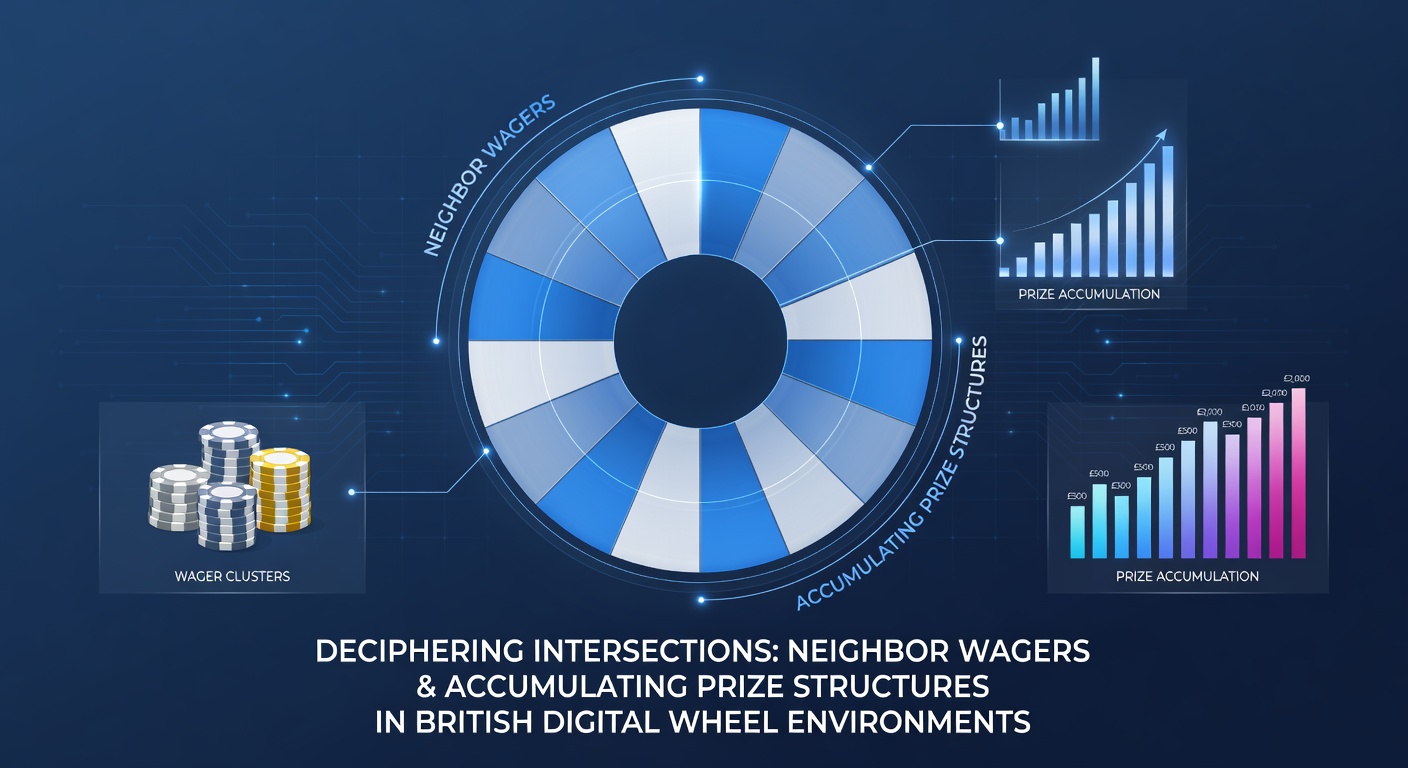
Neighbor wagers in roulette involve placing chips on numbers that sit adjacent to each other on the wheel layout, and these selections often tie into broader prize accumulation mechanisms found across British digital platforms. Observers note that such bets, including structures like voisins du zéro and tiers du cylindre, create concentrated coverage zones that interact with jackpot pools in measurable ways.
Digital wheel environments licensed in the UK integrate these neighbor placements with accumulating prize structures where a portion of each wager contributes to growing totals. Data from industry reports shows that side bets and grouped number selections feed into these pools at rates documented between 1 and 3 percent of total stakes, depending on the operator's configuration.
Defining Neighbor Wagers in Digital Formats
Neighbor wagers focus on sequential wheel positions rather than table layout grids, allowing players to cover arcs of four to nine numbers with single chip placements or multiple chips distributed evenly. Experts tracking UK platforms report that these bets appear in both European and French roulette variants, where the single zero layout influences the positioning of key neighbor combinations such as the zero-centered arc and the opposite tier section.
Platforms present these options through quick-select buttons that automatically distribute stakes across adjacent pockets, and tracking data indicates higher frequency of use during sessions where progressive meters display elevated values. Research from gaming analytics firms reveals that neighbor bet volumes increase by measurable margins when jackpot displays exceed average thresholds recorded over preceding months.
Accumulating Prize Structures Explained
Progressive prize structures in British digital roulette accumulate through fixed percentage contributions from base game wagers and additional side bet options, creating shared pools that reset after each major payout event. Figures from European gaming oversight bodies outside the UK indicate similar contribution models operate across multiple jurisdictions, with seed amounts and increment rates varying by network size and game provider.
These accumulators often link to specific bet types, including lightning multipliers or random bonus triggers, and neighbor wagers participate when operators configure them as eligible contributors. Studies from academic research groups at institutions in Australia have examined how grouped number selections correlate with jackpot trigger frequencies, finding that concentrated coverage patterns appear in documented win sequences at rates comparable to straight-up number plays.
Intersections and Data Patterns

Intersections emerge when neighbor bet mechanics feed directly into progressive meters while simultaneously offering payout pathways that draw from those same accumulators. Operators configure certain digital tables so that voisin-style wagers contribute to the pool yet qualify for bonus rounds triggered by wheel segments covered in those arcs. Platform logs analyzed by independent researchers show that sessions featuring heavy neighbor bet activity coincide with elevated jackpot growth rates during peak evening hours across multiple UK-licensed sites.
As of May 2026, several networks have introduced updated contribution algorithms that adjust the percentage allocated from neighbor wagers based on real-time pool sizes, creating dynamic intersections that respond to player volume. Regulatory filings from Canadian provincial gaming authorities document parallel developments in cross-border platform comparisons, highlighting how adjacency-based betting influences overall prize velocity without altering base game odds.
Case examples from aggregated operator data illustrate instances where a single progressive payout followed extended periods of neighbor bet engagement on specific wheel arcs. These patterns suggest statistical clustering rather than causation, as confirmed through probability modeling conducted by university-affiliated statisticians. What's interesting here is how the wheel's physical layout inherently groups numbers that align with common neighbor strategies, allowing natural overlaps with random bonus selection zones.
Platform Variations Across UK Networks
Different UK-licensed environments apply neighbor wager eligibility to progressives in distinct configurations, with some restricting contributions to base spins only while others extend eligibility to all bet categories. Industry organizations tracking digital gaming trends across the EU note that French roulette variants tend to emphasize zero-centered neighbor placements in jackpot-linked promotions more frequently than standard European layouts.
Player tracking systems record average stake sizes on neighbor bets ranging from £2 to £25 per spin in documented sessions, with contribution portions scaled accordingly to the progressive pool. External analyses from research institutions in the United States have compared these figures against North American market data, revealing regional differences in how adjacency bets integrate with accumulating rewards.
Conclusion
The connections between neighbor wagers and progressive prize structures rest on configurable contribution rules and payout eligibility settings that operators implement within British digital wheel environments. Evidence from regulatory filings and independent studies continues to map these relationships through aggregated session data and probability frameworks. Those examining the topic find consistent documentation of how grouped number selections participate in both pool growth and reward distribution cycles across evolving platform designs.