Exploring Links Between Bonus Structures and Accumulating Jackpots in Virtual Roulette Games
Written by Viktor Walter · Jun 27, 2026

Exploring Links Between Bonus Structures and Accumulating Jackpots in Virtual Roulette Games
Digital roulette platforms have developed intricate systems where promotional incentives intersect directly with progressive prize pools, creating layered reward mechanisms that operators deploy across online environments. These connections emerge through structured bonus programs that allocate portions of player wagers into shared jackpot funds while simultaneously offering deposit matches, cashback rewards, and loyalty points that encourage continued participation in games featuring accumulating prizes.
Mechanics of Promotional Incentives in Roulette Environments
Operators structure promotional incentives to include welcome bonuses, reload offers, and tournament entries that funnel player activity toward roulette variants equipped with progressive elements, and data from multiple jurisdictions shows these promotions often tie eligibility to minimum bet requirements on progressive tables. In practice, a player who claims a deposit bonus may find those funds restricted to games where a percentage of each spin contributes to a communal prize pool, thereby linking the incentive directly to jackpot growth. Platforms track these interactions through backend systems that monitor wager volumes and automatically divert qualifying amounts into the progressive meter.
Research indicates that such integrations increase overall handle on progressive roulette titles during promotional periods, with figures from the Nevada Gaming Control Board revealing consistent spikes in electronic table game revenue when bonus campaigns align with jackpot seeding events. Those who've studied player behavior note that incentives like free spin bundles on roulette wheels often carry wagering conditions that extend playtime, allowing more contributions to flow into the progressive fund before any withdrawal becomes possible.
Progressive Prize Pools and Their Funding Structures
Progressive prize pools in digital roulette operate through seed amounts provided by operators combined with incremental contributions from player bets, typically ranging from 0.5 to 2 percent of each wager depending on the game's configuration. The pools accumulate across networked machines or virtual tables, and wins occur when specific outcomes such as landing on a designated number trigger the payout of the entire accumulated sum. This model relies on volume, so operators design incentives that sustain the player traffic necessary to keep meters rising at a steady pace.
Direct Connections Between Incentives and Pool Growth
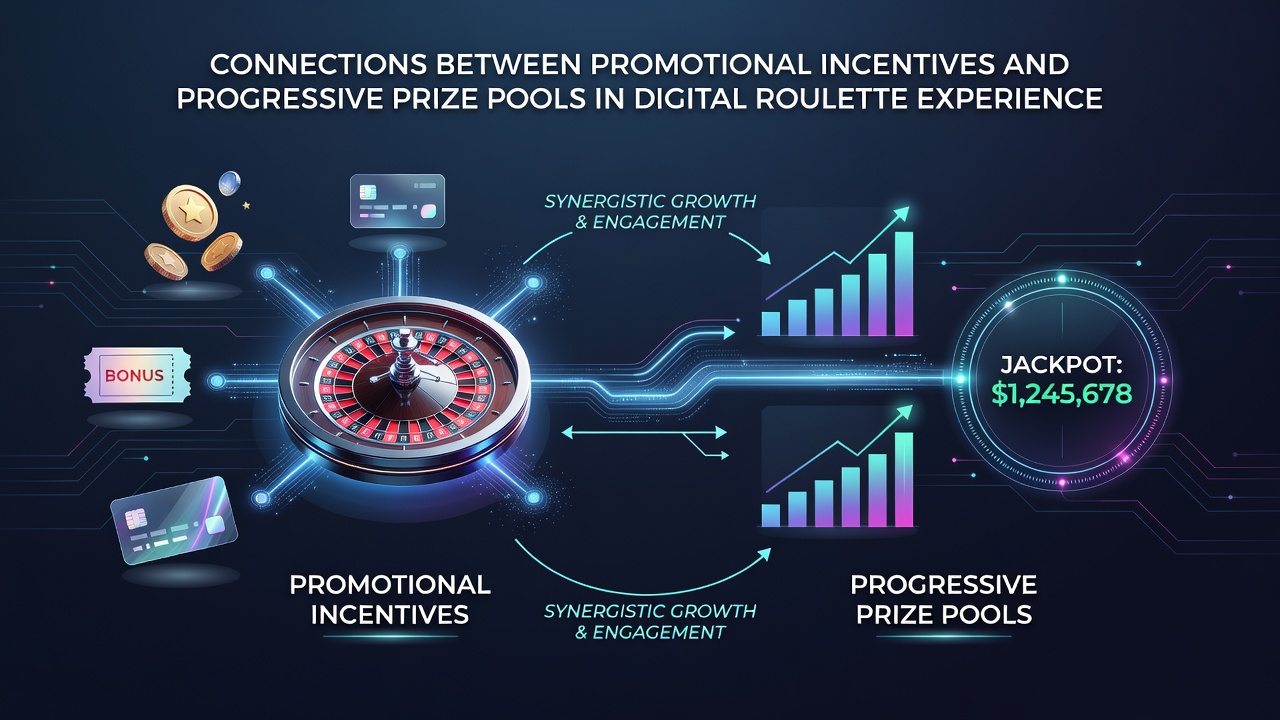
Promotional campaigns frequently allocate a fixed percentage of bonus funds or entry fees into progressive pools, which accelerates growth rates during active periods and creates measurable correlations between marketing spend and jackpot size. Observers note that when platforms launch limited-time deposit bonuses tied exclusively to progressive roulette, the resulting increase in qualified wagers produces faster meter climbs compared to non-promotional intervals. In June 2026 several major platforms reported pool values reaching new thresholds shortly after rolling out combined bonus and jackpot promotions, illustrating how these elements reinforce one another in real time.
What's interesting is how loyalty programs integrate with these systems by converting accumulated points into additional bets on progressive tables, effectively extending the contribution chain. A case study from Canadian operators demonstrated that players redeeming points through such programs generated measurable uplifts in pool contributions, with the data showing sustained activity over multiple sessions rather than one-time spikes. This pattern holds because the incentives reduce the perceived risk of continued play, allowing the progressive mechanism to benefit from extended engagement.
Regulatory and Operational Considerations Across Regions
Regulatory frameworks in various markets shape how these connections function, with bodies such as the Malta Gaming Authority requiring clear disclosure of how promotional funds interact with progressive contributions. Similar oversight exists through the Australian Communications and Media Authority, which tracks advertising claims related to jackpot eligibility. Operators must maintain separate accounting for bonus-derived wagers versus standard play to ensure compliance, and this separation influences how quickly pools build during incentive-driven campaigns.
According to findings published by the European Gaming and Betting Association, integrated promotional and progressive systems show higher player retention metrics when contribution rates remain transparent. The report highlights that clear communication about where bonus money flows helps maintain trust while supporting pool growth. Meanwhile, academic analysis from the University of Nevada's gaming research division has documented that progressive roulette titles paired with targeted incentives outperform standalone versions in terms of daily active users across sampled platforms.
Player Engagement Patterns and System Feedback Loops
Players often respond to visible jackpot growth by increasing bet sizes or session lengths when promotions lower entry barriers, creating feedback loops that operators monitor through analytics dashboards. These patterns appear across multiple sites where bonus codes unlock access to higher-stakes progressive wheels, and the resulting wager volume directly feeds back into the prize pool. Data shows that such loops produce compounding effects, where initial incentive uptake leads to organic contributions that sustain momentum even after the promotion ends.
Yet the structure demands careful calibration, since excessive contribution rates can deter participation if players perceive the odds as unfavorable. Platforms adjust these parameters based on historical performance data, ensuring that promotional overlays enhance rather than overshadow the core progressive appeal. Those monitoring industry trends point to June 2026 as a period when several networks refined these balances following observed shifts in player preferences toward integrated reward systems.
Conclusion
The connections between promotional incentives and progressive prize pools in digital roulette rest on shared economic foundations where bonuses drive volume that funds jackpots, while visible pool growth attracts further participation through ongoing offers. Regulatory requirements across regions maintain transparency in these interactions, and operational data continues to reveal how these mechanisms evolve together. As platforms refine their approaches, the interplay remains a central feature of digital roulette design that shapes both player activity and prize accumulation patterns.