Incentive Programs Reshaping Real-Time Roulette Interactions in Licensed Digital Casinos
Written by Viktor Walter · Jul 21, 2026

Incentive Programs Reshaping Real-Time Roulette Interactions in Licensed Digital Casinos
Data from multiple regulatory bodies shows that incentive schemes such as deposit matches, cashback offers, and loyalty point multipliers have measurably shifted participation rates and betting volumes during live wheel sessions at certified platforms, with activity spikes recorded across European and North American markets through mid-2026.
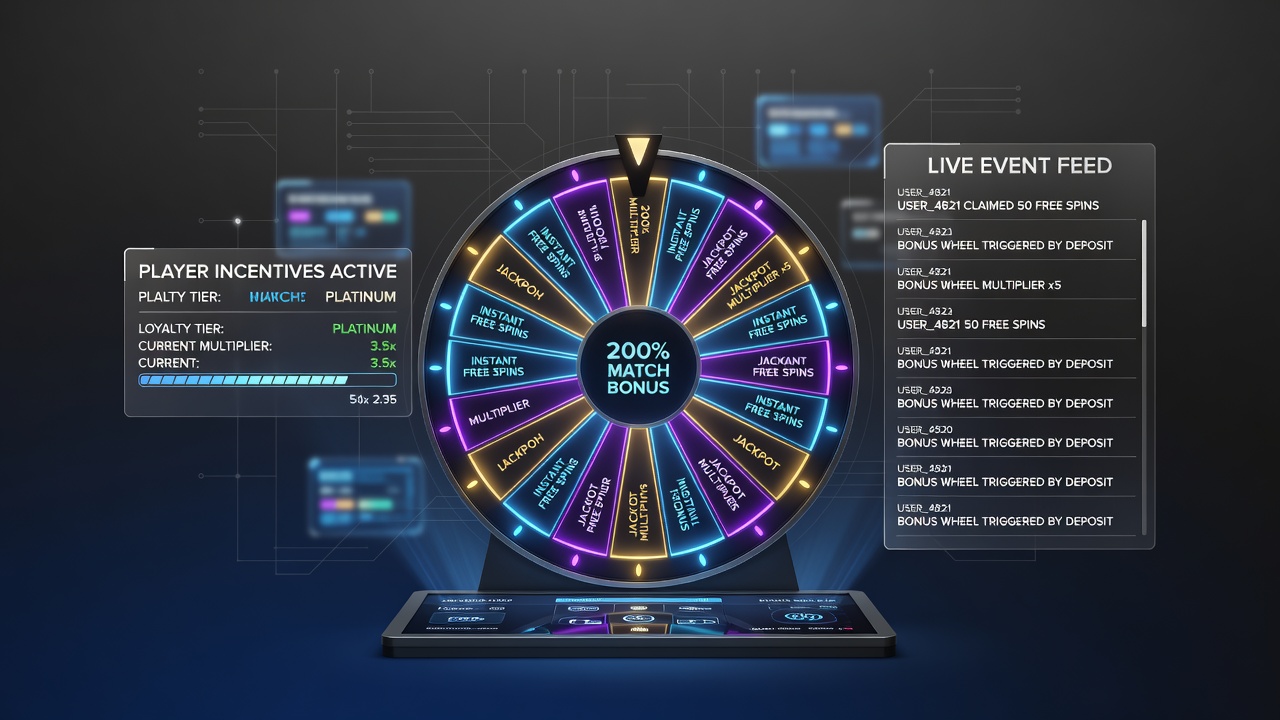
Operators integrate these programs directly into real-time environments where wheels spin continuously and results transmit via video streams, which allows bonuses to activate mid-session and alter the pace at which participants place wagers on inside and outside positions alike.
Participation Patterns Under Bonus Structures
Research conducted by the American Gaming Association indicates that players who receive targeted reload bonuses during peak hours extend their session lengths by an average of 18 minutes compared with non-bonus periods, and this extension correlates with increased frequency of repeated wheel spins rather than larger individual stakes. The same dataset reveals that cashback incentives tied to net losses encourage participants to remain active through sequences of consecutive outcomes, whereas fixed deposit bonuses tend to concentrate activity immediately after activation.
Observers tracking certified sites note that loyalty tiers granting accelerated point accumulation during live events produce distinct clustering around high-traffic tables, because players migrate toward wheels offering visible multiplier displays that update in real time. This migration creates measurable pressure on table availability and influences how operators allocate dealer resources across concurrent streams.
Adjustments in Betting Volume and Selection
Figures released by the New Jersey Division of Gaming Enforcement for the first half of 2026 demonstrate that incentive-linked play generates a 12 percent rise in outside bet volume, particularly on red-black and high-low options, while inside number selections remain relatively stable. The pattern emerges because many reward structures calculate returns on total turnover, which favors lower-variance choices that sustain longer engagement cycles before bonus conditions reset.
Certified platforms frequently embed conditional multipliers that apply only when specific wheel segments land, and these mechanics prompt participants to diversify selections across multiple spins within a single session. Data shows that such conditional offers reduce the concentration of straight-up bets and distribute activity more evenly across dozens of wheel outcomes.
Operational Responses from Licensed Operators
Platform providers respond by calibrating bonus parameters against live telemetry feeds that track wheel velocity, result distribution, and concurrent user counts, which enables them to activate or throttle incentives without interrupting certified random number generation or video integrity. In July 2026 several operators introduced dynamic loyalty multipliers that scale with table occupancy, a move designed to balance load across parallel live streams while maintaining compliance with jurisdictional RNG audit requirements.
These operational tweaks produce secondary effects on dealer rotation schedules and stream scheduling, because sustained incentive-driven traffic extends peak demand windows and requires additional verification steps to confirm that bonus triggers align with actual wheel results.
Regulatory Oversight and Compliance Metrics
Canadian provincial regulators, including those in Ontario, have begun requiring separate reporting lines for incentive-driven wagers in live dealer environments, and early submissions indicate that bonus-activated sessions exhibit narrower ranges of average bet size yet higher total handle per user. European authorities have similarly requested segmented data that isolates the contribution of loyalty redemptions to overall game throughput, allowing oversight bodies to monitor whether incentive mechanics inadvertently concentrate risk on particular outcome distributions.
Certification laboratories continue to test that bonus logic does not modify the underlying wheel probabilities or payout algorithms, and any scheme that links rewards to specific segments must undergo independent verification before deployment on certified platforms.
Conclusion
Current evidence from regulatory filings and industry datasets confirms that incentive schemes have become embedded variables within the operational fabric of real-time wheel events at licensed digital casinos, influencing session duration, bet distribution, and resource allocation without altering certified game mechanics. Continued monitoring through 2026 will clarify how these programs evolve alongside new compliance standards across jurisdictions.