Mechanics Behind Prize Pools in Linked Multiplayer Wheel Sessions at Licensed Digital Platforms
Written by Viktor Walter · Jul 14, 2026
Mechanics Behind Prize Pools in Linked Multiplayer Wheel Sessions at Licensed Digital Platforms
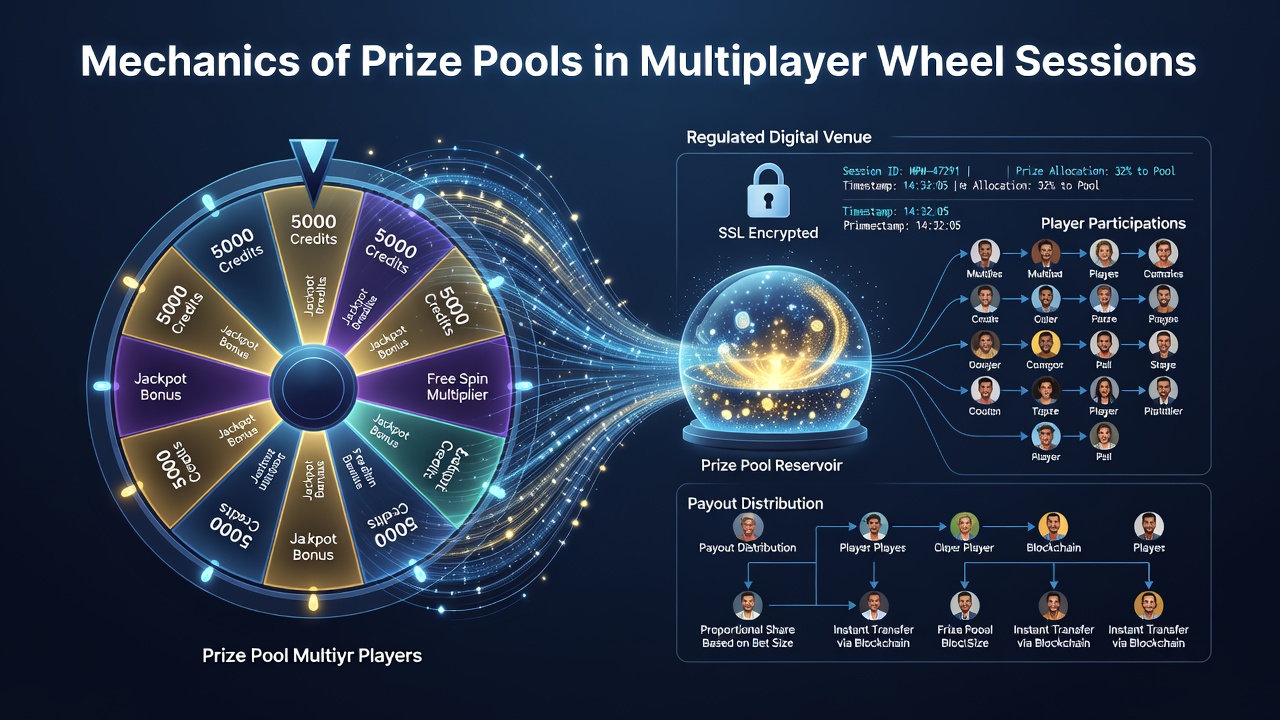
Regulated digital venues run multiplayer wheel sessions where contributions from individual bets feed into shared prize pools, and operators maintain these systems under strict licensing rules that govern how funds accumulate and distribute. Players join sessions through platform interfaces that track each wager in real time, with a percentage of every bet directed automatically into the pool according to predefined algorithms set by the venue software.
Contribution Structures and Pool Accumulation
Each participant places a stake on numbered segments or outcome categories displayed on the virtual wheel, and the system allocates a fixed portion of that stake to the progressive pool while the remainder covers the base payout and operator fees. Software protocols log every transaction with timestamps and player identifiers, which creates an auditable trail that regulators review during compliance checks. In July 2026 several North American and European platforms reported updated pool formulas that adjust contribution rates based on session volume, a change documented in industry filings submitted to oversight bodies.
Technical Triggers for Prize Distribution
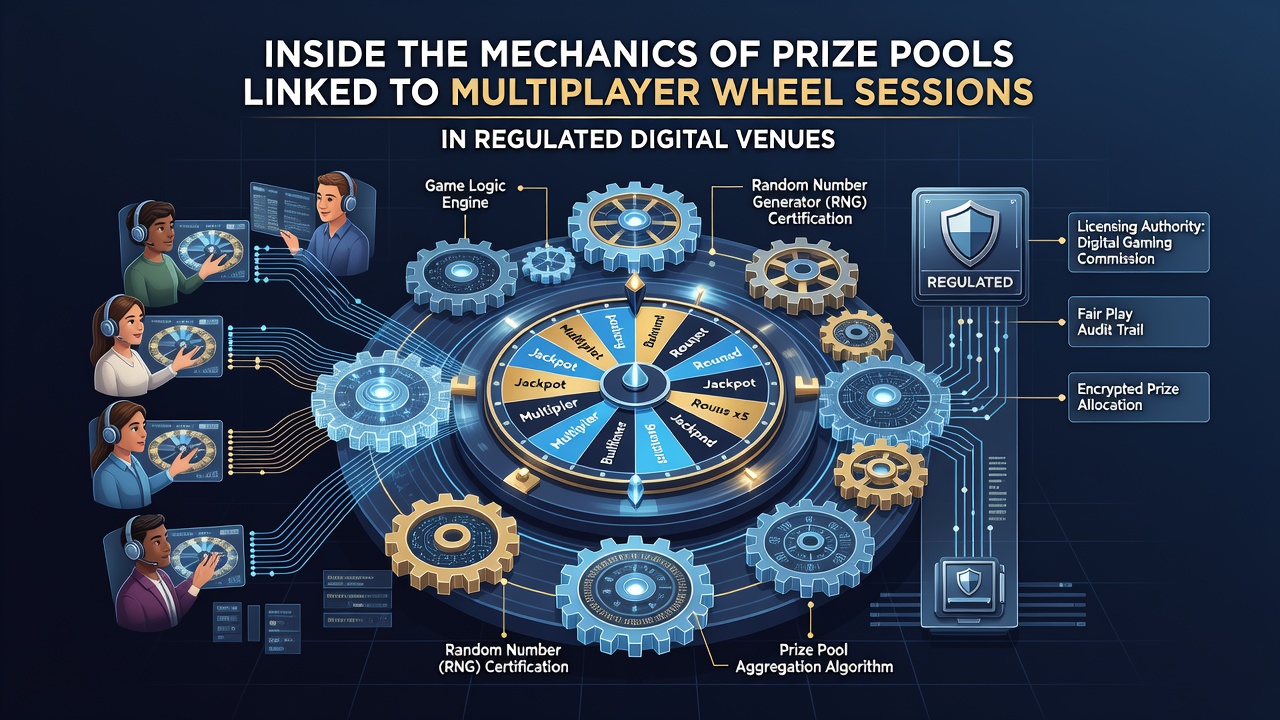
Distribution occurs when the wheel lands on a designated bonus segment or when the pool reaches a predetermined threshold, at which point the software executes a random number generator sequence to select eligible winners from the active session roster. The RNG component operates independently of the prize pool ledger, ensuring that selection remains statistically independent from contribution history. Venues integrate these mechanics with certified testing laboratories that verify both randomness and pool integrity before each software update receives approval.
Regulatory Oversight Across Jurisdictions
Operators in multiple regions submit regular reports detailing pool balances, contribution percentages, and payout events to bodies such as the Nevada Gaming Control Board and the Malta Gaming Authority. These submissions include cryptographic hashes of transaction logs that allow auditors to confirm no manual adjustments occurred outside approved parameters. Academic researchers from institutions including the University of Nevada, Reno have examined similar systems and published findings on transparency metrics that correlate with player retention rates across licensed sites.
Data compiled by the Australian Gambling Research Centre shows that linked multiplayer wheels typically maintain separate reserve funds to cover minimum guaranteed prizes even when contribution rates fluctuate with player traffic. These reserves function as a buffer that prevents pool depletion during low-volume periods, and operators replenish them from a dedicated operational account rather than from active player stakes.
Player Eligibility and Session Linking
Eligibility rules require participants to maintain an active connection throughout the session duration, and the platform automatically excludes disconnected accounts from the final draw. Session linking occurs when multiple venues share a common pool through centralized servers operated under joint licensing agreements, a model that several European operators adopted after 2024 regulatory updates. Each venue transmits encrypted contribution data to the central ledger at fixed intervals, and reconciliation protocols flag discrepancies that exceed predefined tolerance thresholds.
Security and Audit Protocols
Encryption standards applied to pool data match those required for financial transactions, and independent auditors conduct quarterly reviews that examine both code integrity and live transaction samples. The International Association of Gaming Regulators has published guidelines that recommend real-time monitoring dashboards capable of alerting compliance teams to unusual pool activity patterns. Platforms that implement these recommendations report fewer compliance queries during routine inspections.
Conclusion
Linked prize pools in multiplayer wheel sessions rely on automated contribution tracking, certified randomness, and multi-jurisdictional reporting requirements that together maintain operational integrity across regulated digital venues. Continued refinement of these systems reflects ongoing collaboration between operators, testing laboratories, and oversight agencies.