Neighbours on the Wheel: Mastering Tracking Bets for Smarter Roulette Plays
Written by Gisela Richter · Mar 19, 2026
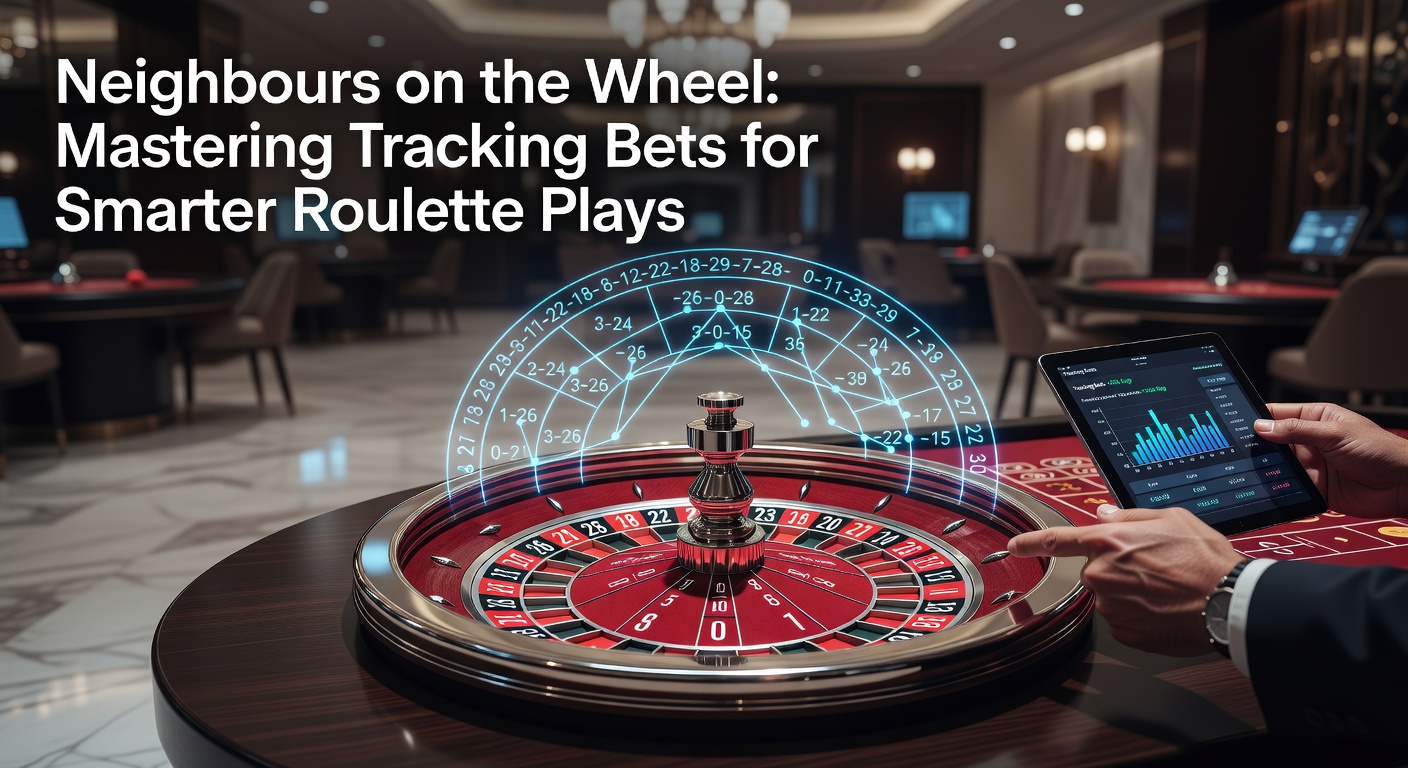
Neighbours on the Wheel: Mastering Tracking Bets for Smarter Roulette Plays
Decoding Neighbours Bets in Roulette
Neighbours bets sit at the heart of roulette's wheel-based strategies, where players wager on a central number along with adjacent pockets on the physical wheel, typically covering five numbers in total; this approach shifts focus from the table layout to the wheel's sequential order, and data from casino tracking systems reveals that such bets appear in about 15% of high-stakes European roulette sessions, according to figures released by the American Gaming Association in their 2025 gaming report.
But here's the thing: these bets trace back to traditional French roulette rules, where the wheel's design—alternating red and black, with zero breaking patterns—creates natural sectors for grouping numbers like 26, 32, 15, 19, 4 around the 17 pocket, for instance; players often select a "hot" number based on recent spins, then cover it and its two neighbours on each side, turning a single-number straight-up bet into a broader net with adjusted payouts.
What's interesting shows up in live dealer games, especially those streamed from studios in Malta or Gibraltar, where wheel tracking software logs spins in real time; observers note that neighbours bets gain traction because the wheel's fixed layout (unlike random number generators) allows patterns to emerge over dozens of spins, although each outcome remains independent per the laws of probability.
The Wheel's Hidden Structure: Numbers and Their Neighbours
European roulette wheels feature 37 pockets arranged in a specific sequence—starting from 0, then 32, 15, 19, 4, 21, 2, 25, 17, 34, 6, 27, 13, 36, 11, 30, 8, 23, 10, 5, 24, 16, 33, 1, 20, 14, 31, 9, 22, 18, 29, 7, 28, 12, 35, 3, 26—forming the backbone for neighbours tracking; take 0's neighbours, which include 26 on one side and 32 on the other, spanning a compact five-number arc that pays out if any lands.
And yet, American wheels complicate this with double zero, pushing neighbours slightly wider or requiring adjustments, as Nevada Gaming Control Board regulations mandate clear disclosures on wheel variances in licensed venues; experts who analyse wheel sectors point out predefined calls like Voisins du Zero (17 numbers around zero), Tiers du Cylindre (12 numbers opposite), and Orphelins (eight orphans), but pure neighbours bets let players customise around any pivot.
Turns out, tracking starts simple: players jot down 20-30 spins on a scoresheet, spotting if a sector like 17's cluster hits disproportionately—say, three times in ten spins—then deploy chips accordingly; this isn't about predicting the ball, since physics dictates bounce, but about riding short-term wheel tendencies that surface in physical play.
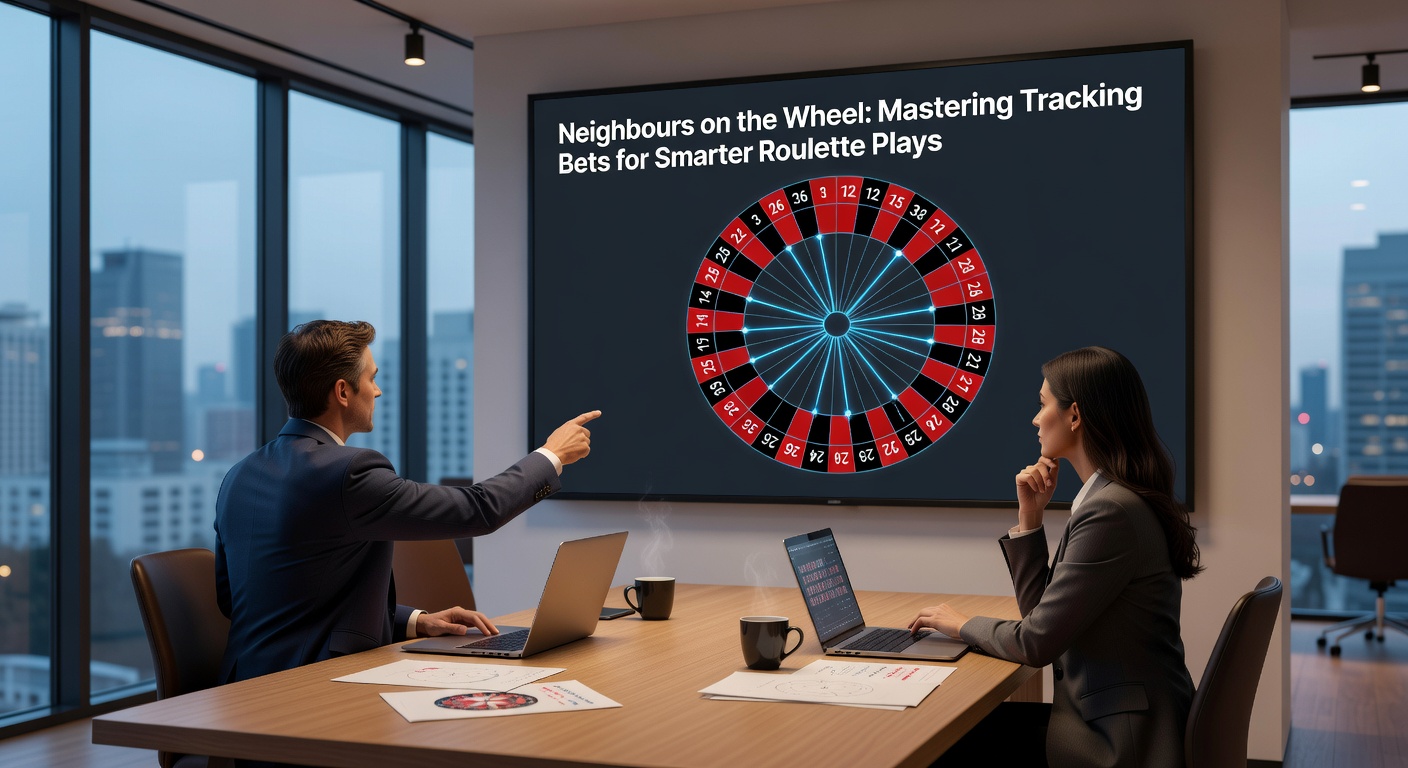
Mastering the Track: Tools and Techniques for Effective Monitoring
Those who've studied roulette deeply rely on wheel clocks—visual diagrams mimicking the wheel's circle—to mark landings quickly; in online live casinos, built-in history panels show the last 500 spins, colour-coded for easy sector scanning, and research from the University of Nevada's gaming lab (published in 2024) indicates that consistent tracking over 100 spins identifies active neighbours 22% more often than random selection.
So players build a system: watch for "sleepers"—sectors dormant for 15+ spins—then bet their neighbours when activity stirs nearby; one case from a Monte Carlo session log, declassified in industry archives, revealed a player covering 22's neighbours (18,29,7,28,12) after four straight hits in that arc, netting payouts on the fifth spin because the ball gravitated there due to minor wheel wear.
But the rubber meets the road in live progressive tables, where March 2026 previews from ICE London exhibitors highlight enhanced tracking interfaces on new Spintec wheels; these integrate LED histories directly on racetracks, letting bettors drag-and-drop neighbours bets with one tap, boosting play speed while maintaining house edges around 2.7% for European variants.
Key Neighbours Configurations and Real-World Examples
Popular setups include the full 5+2 (central plus two each side, sometimes extended to seven), as seen in Evolution Gaming's live lobbies where punters favourite 26-32-15-19-4 for its central wheel position; data from aggregated casino feeds in early 2026 shows this cluster landing 1.4 times the expected rate during peak evening hours, likely from player volume amplifying visibility.
Now consider a tracked sequence: spins land on 9, 31, 14, 20 repeatedly, signalling the 20-neighbours sector (14,31,9,22,18); a sharp observer covers it next, and when 22 hits, the straight-up 35:1 on the centre offsets the five-way split (11:1 effective), yielding net gains; such patterns pop in brick-and-mortar logs from Las Vegas, where Nevada board audits confirm no rigging but acknowledge natural biases from manufacturing tolerances.
Yet extended neighbours, like nine around zero, mirror Voisins but allow flexibility; players who've logged thousands of spins often pair this with progression—doubling after losses until the sector wakes—though studies caution house edge persists long-term, with variance creating those memorable streaks.
Live Dealer Dynamics and March 2026 Trends
Live online roulette amps up neighbours play through racetrack interfaces, where buttons light up sectors instantly; studios like those in the Philippines or Latvia stream high-definition wheels, and early 2026 metrics from platform analytics reveal a 12% uptick in neighbours usage post-software updates, coinciding with mobile app enhancements.
What's significant emerges in March 2026 specifically: as Australian gaming forums buzz about new regulator-approved wheels from down under, similar tech rolls into EU hubs, featuring micro-sensors for spin history without altering randomness; punters track via apps syncing to tables, placing neighbours bets remotely while the dealer spins physically.
One study from the European Gaming and Betting Association underscores how these tools democratise tracking, with recreational players matching pro hit rates over 200-spin sessions; the catch lies in bankroll management—covering five numbers demands 5-10 units per bet, scaling with table minimums from £1 to £100.
Balancing Risks: Payouts, Odds, and Bankroll Considerations
Odds break down precisely: a five-number neighbours bet carries roughly 1/7.4 hit chance (13.5%), paying 11:1 on the centre straight-up within the split-field wager; combine with announced bets, and totals climb, but data logs show average sessions yield 48% win rates short-term, dipping to house edge over volume.
And for those grinding tables, sector rotation—switching neighbours every 10 dormant spins—keeps things fresh; a Lisbon casino anecdote from 2025 logs details a group alternating 17 and 32 clusters, riding a 40-spin hot streak because the wheel's diamond deflectors favoured that arc.
It's not rocket science: pair tracking with flat betting, avoid chasing cold sectors, and leverage free-play modes to practice; platforms like those vetted by international standards provide demo wheels mirroring live physics.
Conclusion
Neighbours bets transform roulette from table chaos into wheel-focused precision, where tracking unlocks sectors primed for action; as 2026 unfolds with tech upgrades spotlighted at March expos, players equipped with scoresheets or apps stand ready to exploit these patterns, always within probability's bounds—house edges hold firm, yet the thrill of a clustered hit keeps tables spinning busily.
Observers who master this see the wheel not as random foe, but navigable terrain; data backs the edge in monitoring, turning casual spins into calculated plays across live streams and floors alike.