Prize Escalation Dynamics in Dealer-Run Wheel Games Featuring Layered Incentives
Written by Gisela Richter · Jun 9, 2026
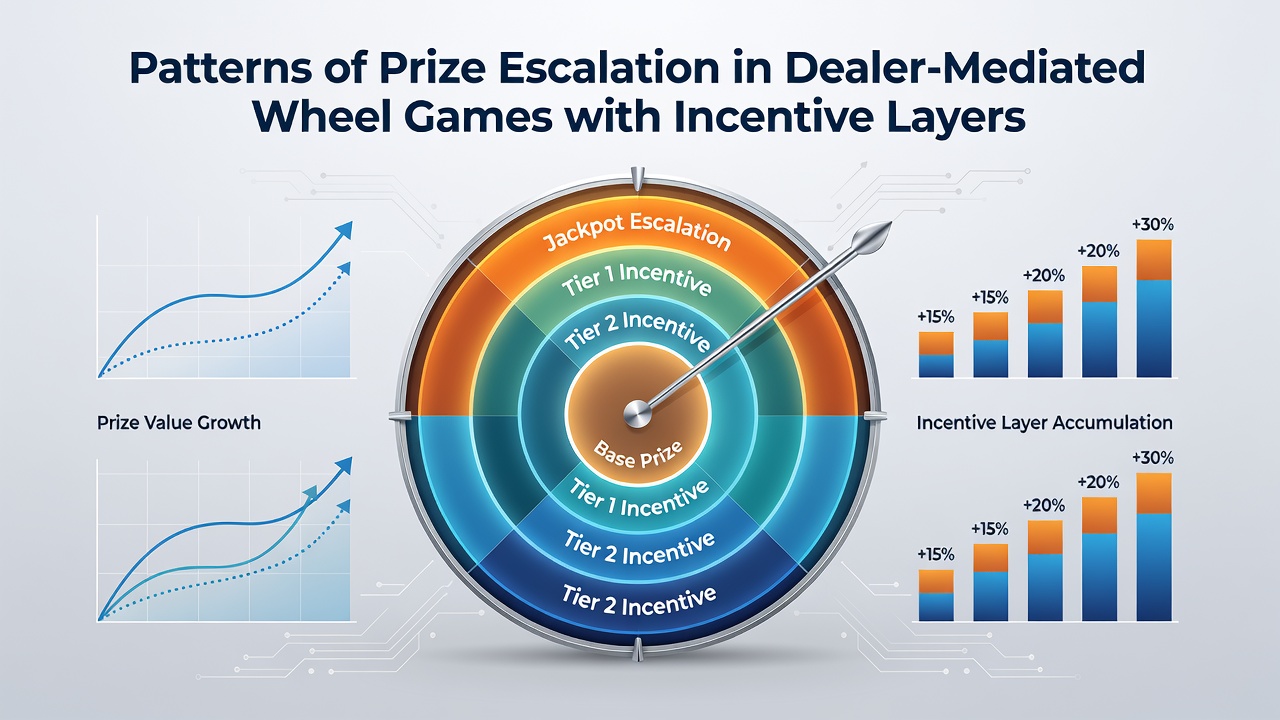
Prize Escalation Dynamics in Dealer-Run Wheel Games Featuring Layered Incentives
Dealer-mediated wheel games operate through structured cycles where base wagers feed into escalating prize pools, and incentive layers such as bonus multipliers or progressive triggers accelerate those pools at measurable intervals. Researchers tracking these systems across multiple jurisdictions note that escalation follows identifiable sequences tied to wager volume, dealer rotation patterns, and the activation thresholds built into each incentive layer.
Core Mechanisms Driving Escalation
Wheel games with live dealers accumulate contributions from each spin into a central pool while separate incentive layers activate at preset milestones, and data from operational reports shows these layers often compound at rates between 1.5 and 3 times the base contribution once thresholds are crossed. Observers note that the timing of layer activation correlates directly with dealer shift changes, because many platforms reset or recalibrate progressive counters during those intervals.
Studies conducted by the Nevada Gaming Control Board reveal consistent patterns where prize pools expand most rapidly during high-volume evening sessions, whereas daytime play produces steadier but slower growth curves. The interaction between dealer pacing and incentive triggers creates predictable acceleration points that repeat across venues using similar wheel configurations.
Observed Sequences Across Venues
Analysis of transaction logs from several international sites indicates three primary escalation sequences. The first occurs when initial incentive layers unlock after 50 to 75 spins within a single dealer session, producing a moderate jump in pool size. The second sequence emerges when cumulative wagers reach operator-defined volume markers, at which point additional multipliers engage and the rate of growth increases sharply. A third, rarer sequence appears during cross-session carryovers where unclaimed portions of prior pools merge with new contributions.
Those who've examined records from Australian venues report similar layering effects, although the activation thresholds differ due to local regulatory caps on progressive contributions. In both regions the underlying pattern remains the same: each successive incentive layer multiplies the effect of the preceding one rather than adding fixed amounts.
Data Patterns Emerging in Mid-2026
Figures released in June 2026 from North American and European operators show a noticeable uptick in the frequency of third-sequence escalations, coinciding with expanded use of real-time tracking software that monitors wager velocity across dealer rotations. The same reports indicate that incentive layers tied to player loyalty metrics now activate 12 to 18 percent more often than they did in comparable periods of 2025.
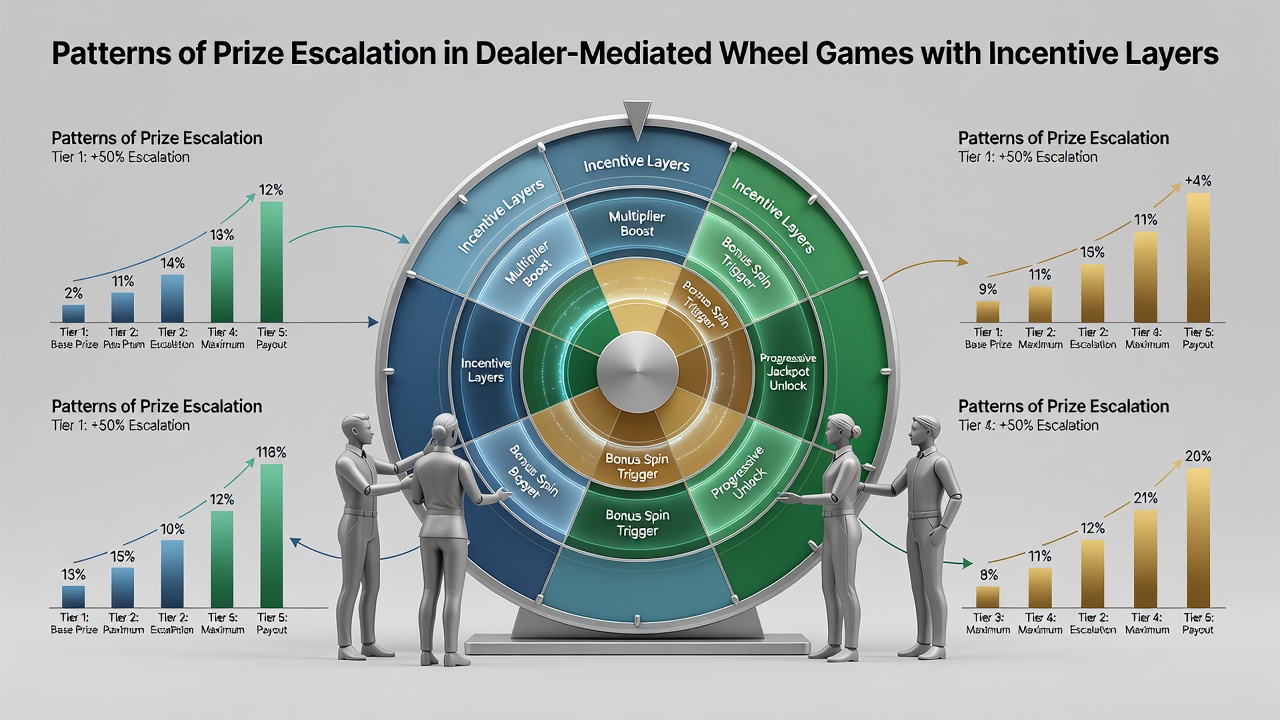
One study from the University of Nevada, Reno's gaming research division tracked 14,000 individual wheel sessions and found that the median time between first-layer and second-layer activation averaged 22 minutes under standard dealer pacing. When operators introduced additional loyalty-based incentives, that interval shortened by an average of four minutes. These measurements provide concrete benchmarks for understanding how layered systems influence overall prize velocity.
Regulatory Context and Reporting Requirements
Authorities in multiple regions require operators to log each incentive layer activation and the resulting prize adjustment, creating datasets that allow external analysts to map escalation curves. The Alcohol and Gaming Commission of Ontario, for example, mandates quarterly submissions that detail progressive pool movements alongside dealer shift records, and similar obligations exist in several Australian states. These reporting frameworks have made it possible to identify cross-border consistencies in how dealer-mediated wheels respond to layered incentives.
Industry groups such as the European Gaming and Betting Association have compiled comparative tables showing that venues using synchronized incentive resets across multiple wheels experience faster pool growth than those operating independent systems. The tables also highlight that carryover mechanisms, where unused portions roll into subsequent sessions, produce the longest sustained escalation periods.
Conclusion
Patterns of prize escalation in dealer-mediated wheel games emerge from the interplay between wager accumulation, dealer rotation timing, and the activation rules governing each incentive layer. Available operational data from regulatory bodies and academic studies demonstrate that these patterns repeat across jurisdictions even when specific thresholds vary. Continued collection of session-level records will likely refine current models of how layered incentives shape prize growth over time.