Threshold Dynamics: How Wagering Requirements Determine Entry into Collective Prize Pools Within Licensed Wheel Gaming
Written by Otto Washington · May 16, 2026
Threshold Dynamics: How Wagering Requirements Determine Entry into Collective Prize Pools Within Licensed Wheel Gaming
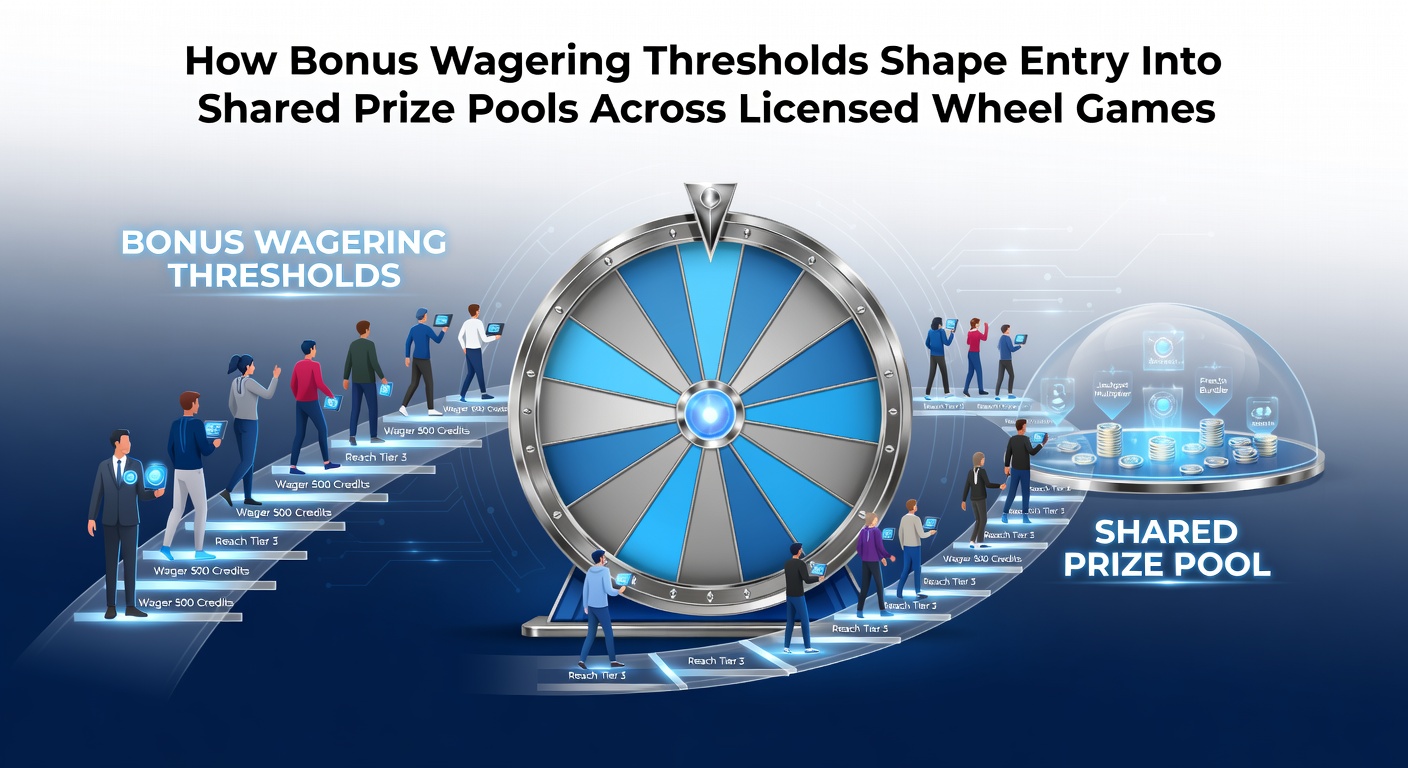
Bonus wagering thresholds function as structured entry points that licensed operators apply to bonus funds before players gain eligibility for shared prize pools in wheel games such as roulette, and these mechanisms operate across multiple regulated jurisdictions. Operators set specific playthrough multiples that convert promotional credits into qualifying stakes, which then contribute directly to progressive jackpot meters in live and virtual wheel environments.
Core Mechanics of Wagering Thresholds
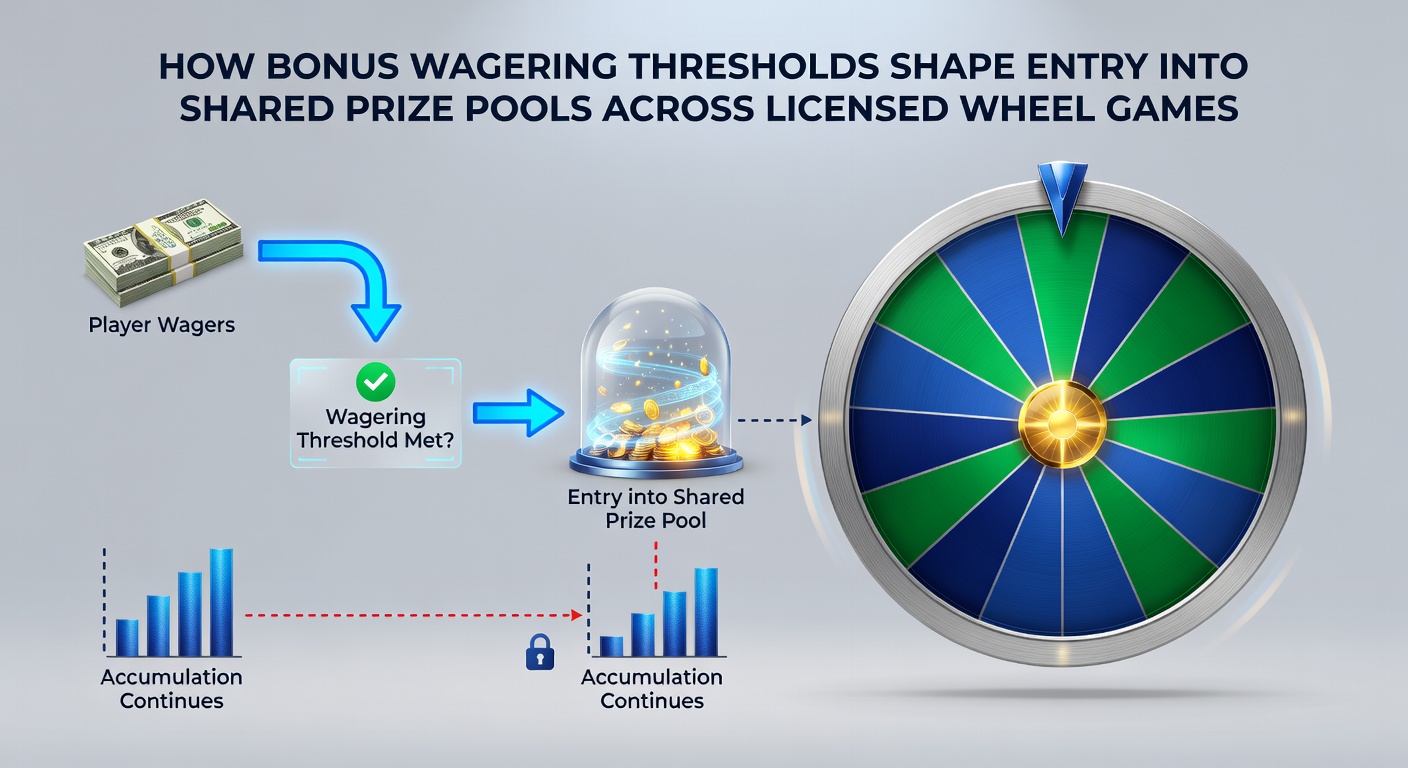
Wagering thresholds require players to stake a predetermined multiple of any received bonus amount across eligible games before withdrawal or jackpot participation becomes available, and this process channels bonus-derived wagers into the contribution formulas that feed collective prize pools. Licensed platforms calculate contributions at fixed percentages, typically ranging from 10 to 100 percent depending on the game type, so roulette wheel bets often carry higher weighting than other categories when thresholds are met.
Data from regulatory filings indicate that thresholds commonly range between 20x and 50x the bonus value, with wheel games receiving consistent inclusion in contribution tables. When players complete these multiples, the accumulated stakes register against the shared meter, allowing entry into prize draws that combine contributions from thousands of concurrent sessions across the network.
Impact on Shared Prize Pool Participation
Shared prize pools expand when wagering thresholds align with game contribution rates, because completed playthroughs increase the total stake volume flowing into progressive systems. Researchers at the International Gaming Institute have documented that platforms enforcing moderate thresholds experience steadier meter growth, since more players reach qualification without excessive abandonment. In contrast, higher multiples correlate with reduced entry rates, which slows jackpot escalation until larger player volumes compensate.
Operators adjust these parameters seasonally, and figures released in May 2026 show several European networks lowered roulette-specific thresholds by 10x to stimulate pool activity following quieter winter periods. This adjustment produced measurable upticks in qualifying wagers within weeks, confirming the direct relationship between threshold height and pool velocity.
Regulatory Variations Across Jurisdictions
Regulators in different regions impose distinct oversight on how thresholds interact with jackpot eligibility, and these rules shape operator design choices. The European Gaming and Betting Association compiled comparative data showing that Nordic frameworks demand transparent disclosure of contribution percentages, which affects how quickly bonus stakes reach shared pools. Australian state regulators apply separate caps on maximum thresholds for wheel games, ensuring players encounter predictable qualification paths.
Canadian provincial frameworks, particularly in Ontario, require operators to publish real-time contribution rates so players can track progress toward both wagering completion and jackpot access simultaneously. Such transparency reduces confusion while maintaining the integrity of pooled prize calculations that aggregate bets across multiple sites.
Operational Implementation in Licensed Environments
Licensed operators integrate threshold tracking directly into their gaming management systems, which monitor every bonus-derived wager against both the playthrough target and the progressive meter. Wheel game sessions receive automated tagging once thresholds clear, enabling seamless transition from bonus play to full jackpot eligibility without manual intervention. This automation supports high-volume environments where thousands of spins occur hourly across networked wheels.
Technical audits confirm that contribution accuracy remains above 99 percent when thresholds are enforced through certified random number generators and accounting protocols. Any deviation triggers immediate reconciliation procedures that protect the fairness of shared prize distribution.
Player Qualification Patterns
Player data aggregated across multiple platforms reveals distinct patterns in how quickly different user segments complete wagering thresholds and enter shared pools. High-volume roulette participants typically qualify within shorter timeframes because their bet sizes accelerate the required multiples, whereas casual players benefit from extended time windows that operators provide to accommodate lower stake volumes.
Studies conducted by university-linked research centers note that players who combine multiple smaller bonuses often reach thresholds faster than those using single large offers, since staggered credits allow parallel contribution streams. This behavior influences overall pool health by distributing wager volume more evenly across daily cycles.
Conclusion
Wagering thresholds serve as measurable controls that directly govern access to shared prize pools in licensed wheel games, and their calibration affects both meter growth rates and player qualification frequency. Regulatory frameworks across regions continue to refine disclosure requirements, ensuring that contribution mechanics remain verifiable while supporting sustainable jackpot ecosystems. As networks scale through 2026, operators maintain these structures to balance promotional incentives with the collective integrity of progressive systems.